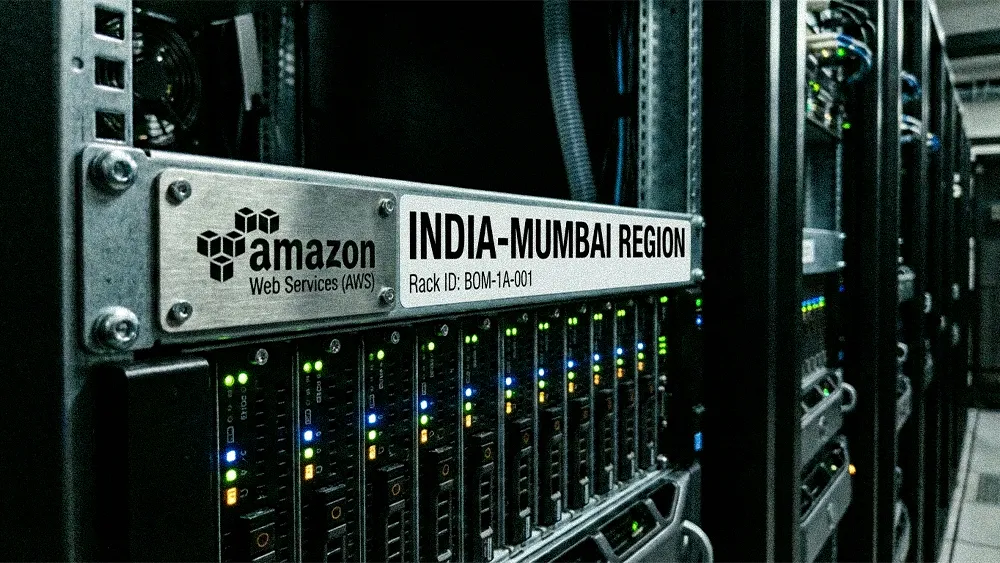
India is rolling out a 21-year tax holiday for foreign cloud providers on all export-oriented AI services, a move designed to attract a massive slice of the global computing market. The policy, announced in the country's annual budget, is also meant to calm foreign companies' fears over potential tax liabilities.
Raining rupees: The policy is designed to capitalize on a flood of capital from cloud giants. Amazon, Microsoft, and Google are collectively pouring more than $100 billion into the country, expanding data centers and building out new AI hubs. The tax holiday is the centerpiece of a national strategy that also includes launching "India Semiconductor Mission 2.0" to build a domestic chip industry.
Reading the fine print: The new rules ensure that domestic revenue remains taxable, requiring services for Indian customers to be handled by local resellers. The framework also includes a 15% "safe harbor" provision, a move meant to streamline transfer pricing for multinationals and provide them with greater tax certainty.
A thirsty business: But India's grand ambitions are running headfirst into its own infrastructure deficits. The country is grappling with chronic power shortages and severe water scarcity—resources that AI data centers consume on the scale of small cities. These gaps threaten to derail project timelines and inflate budgets, undermining the country's pitch to global investors.
India is making a high-stakes bet that generous, long-term tax incentives can overcome its significant infrastructure hurdles, positioning itself as the world's back-end for the AI revolution.