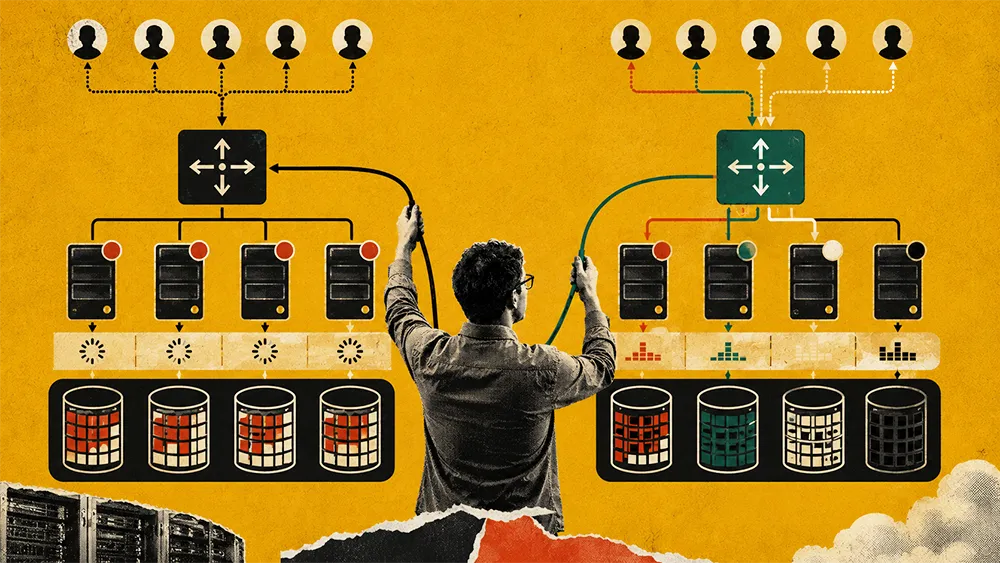

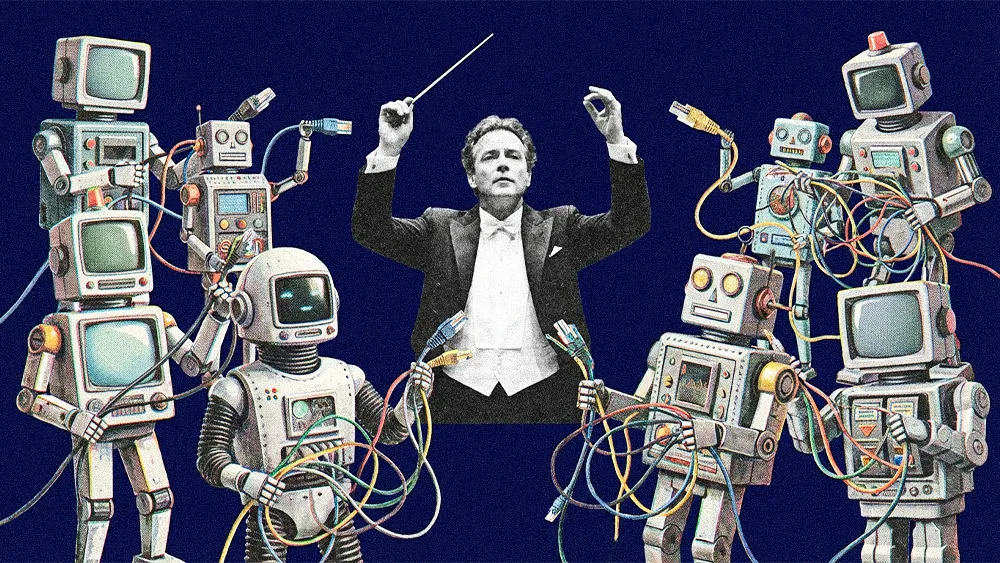
Automation without orchestration is like driving an F1 car at 350 kilometers per hour without anyone in control. You might survive, but chaos is inevitable.
 Jorge Muñoz MartínezRegional Sales Manager @ BMC Software
As AI moves into core business operations, the real challenge is not building automation. It’s making sure thousands of automated decisions actually work together in the real world. A single task is easy to automate, but coordinating actions across legacy systems, cloud platforms, and everyday business realities is not. Without oversight, small gaps quickly become blind spots and complexity multiplies.
Jorge Muñoz Martínez, a professional with 25 years of experience in IT, currently holding the position of Iberia Country Leader for BMC Software, explains how orchestration keeps AI decisions aligned with reality and prevents systems from breaking at scale. With past leadership roles at Axway and Oracle and experience helping enterprises integrate complex ecosystems, he has seen the market shift from simply connecting systems to managing how decisions flow across the entire business. "Automation without orchestration is like driving an F1 car at 350 kilometers per hour without anyone in control. You might survive, but chaos is inevitable," he says.
At its core, orchestration is about more than sequencing tools. It is about ensuring AI-driven decisions are explainable, systems are aware of real-world conditions, and teams are aligned around shared outcomes. As companies embed AI into workflows while navigating growing regulatory pressure from frameworks like the EU AI Act, orchestration has emerged as the foundation for trust, resilience, and sustained business performance.
High stakes for trust: When AI governance fails, the consequences can quickly undermine business confidence. Jorge notes that the biggest problem is often not the decision itself, but the inability to explain how it was made. This lack of transparency is pushing trust to the forefront as a critical competitive differentiator. Failures tend to stem from two main issues: opacity, where decisions can’t be explained, and fragmentation, where disconnected systems break the flow of information. "The problem was not the decision. The problem was that no one could identify how it was made," he says.
Lost in transit: When AI decisions lack transparency, it’s hard to explain outcomes to customers, even if the decision goes wrong. Jorge highlights logistics as a clear example: "A lack of traceability means no one can tell you where your package is because the information wasn’t captured automatically. If something goes wrong there, you’re going to lose the customer."
When worlds collide: Trust breaks down when automated systems operate without awareness of the real world around them. Jorge stresses the need for a whole-system vision, where AI orchestration connects technical workflows with real-world context. "If heavy rains in Spain make a town inaccessible, your automated system shouldn’t send someone there. It makes no sense. You have to control these kinds of things and get the most relevant information into your system to be effective." Without this broader visibility, even well-designed automations can create friction, waste resources, or damage customer trust.
These challenges often reveal a deeper organizational problem. The technical complexity of sprawling environments is often a symptom of siloed teams. Addressing these issues is driving demand for a new class of AI orchestration tools and for better ways to measure what truly matters.
From silos to strikers: "In an IT department, you have people managing the mainframe, distributed systems, and the cloud. It's a complete mess unless they work together as a team." Jorge emphasizes that building stronger teams means breaking down silos, defining shared objectives, and giving everyone a clear understanding of how their work fits into the bigger picture. Every role needs to coordinate to achieve the overall goal, with leaders enabling collaboration and anticipating where support is needed.
The shift from automation to orchestration ultimately comes down to anticipation. In increasingly complex environments, resilience is built by systems that learn, adapt, and act before problems cascade into business impact. Like an F1 driver who studies past incidents to tune the car before the next race, the most effective organizations design for continuity rather than reacting to disruption. "You need a tool that doesn’t just tell you what is already down, but can anticipate when something is going to go down," he concludes.
The views and opinions expressed are those of Jorge Muñoz Martínez and do not represent the official policy or position of any organization.